As cooler weather arrives in Bellingham, homeowners start closing windows and doors to keep the chill out. While this helps keep your home warm, it can also reduce fresh airflow and allow dust, allergens, and other pollutants to build up indoors.
Reduced ventilation, increased furnace use, and shifting humidity levels can all affect the air you breathe. Fall is a smart time to check filters, monitor humidity, and make sure your ductwork and HVAC system are ready for the season. At Marr's Heating, AC, Plumbing and Electrical, we provide HVAC, ductwork, and indoor air quality services to help homeowners in Bellingham and nearby communities breathe easier all winter.
Why Indoor Air Quality Changes When the Weather Gets Cooler
During the pleasant summer months, open windows and doors allow for constant air exchange, which helps diminish and remove indoor contaminants. When fall and winter arrive, we seal our homes tightly to conserve heat. This process turns your home into a more contained environment.
As a result, pollutants that might have otherwise escaped can remain trapped inside. These contaminants then circulate repeatedly through your HVAC system. Common indoor particles include dust, pet dander, pollen that has found its way inside, fibers from carpets and furniture, and various other airborne particulates.
Your Heating System Starts Circulating More Indoor Air
Once you turn on your furnace or heat pump for the season, it begins the important job of moving warm air throughout your home. This continuous circulation is essential for maintaining a comfortable temperature in every room. However, this process can also contribute to the redistribution of dust and other particles.
If your HVAC filters are dirty or your ductwork is compromised, the system can inadvertently spread these contaminants instead of removing them. Heating systems are central to whole-home air circulation, so proper system condition and filtration are crucial for both your comfort and your home’s indoor air quality.
Dirty HVAC Filters Can Make Air Quality Worse
The HVAC air filter serves as the first line of defense against airborne particles. Its primary role is to capture dust, pollen, and other contaminants before they enter your HVAC equipment and continue circulating through your home. A clean filter is essential for this process to work effectively.
When a filter becomes clogged or loaded with debris, it can no longer do its job properly. This not only increases dust and allergen buildup but can also restrict airflow, forcing your HVAC system to work harder.
We recommend checking your filters monthly and replacing them when they are visibly dirty. At a minimum, replace filters every three months, though homes with pets or higher dust levels may require more frequent changes.
Fall Allergens Can Still Make Their Way Indoors
Many people assume closing the windows will end seasonal allergy concerns, but that isn’t always the case. Outdoor allergens like pollen don’t disappear just because you’ve sealed your home. These particles may have already settled on clothing, pets, furniture, and flooring.
When your heating system comes on, it can stir up these settled allergens and circulate them through the air. This makes your HVAC filter’s condition and the system’s overall performance especially important during the months when you spend more time inside. Local pollen-bearing plants and other environmental factors can significantly increase the amount of particulate matter HVAC filters collect.
Cooler Weather Can Change Indoor Humidity
As outdoor temperatures drop and you begin running your heating system, the humidity levels inside your home can shift. Some heating methods can make the air overly dry, which may affect comfort. On the other hand, excessive moisture can create a damp, stuffy indoor environment.
Here in Bellingham, our generally damp Pacific Northwest climate makes moisture management a particularly relevant issue for homeowners. Maintaining a balanced indoor humidity level is important. Neither too dry nor too damp is ideal for comfort or for preserving your home’s interior.
Ductwork Can Affect the Air You Breathe
Your home’s ductwork does more than just distribute heated and cooled air. It is a complex system that can significantly affect your indoor air quality. Over time, issues like leaks, poor sealing, accumulated dirt, or damaged sections can compromise the entire system.
When ducts are not properly sealed, they can pull unwanted particles from unconditioned areas like crawl spaces, attics, and wall cavities directly into your home’s air supply. Our team has found that leaky or damaged duct systems may draw in contaminants such as dust, fiberglass particles, VOCs, and other debris that you would rather not have circulating in your living spaces.
When Does Duct Cleaning Make Sense?
You may wonder if professional duct cleaning is the right solution for your home. This service can be beneficial in specific situations, such as when you see significant dust or debris inside the ducts or notice excessive particulate buildup at your supply vents.
However, it’s important to understand that duct cleaning is not an automatic fix for every indoor air quality problem. If contaminants are entering your system through leaks, proper duct sealing and repair may be just as important, if not more so. At Marr's Heating, AC, Plumbing and Electrical, we emphasize that clean, properly sealed ductwork is vital to maintaining good indoor air quality.
Air Leaks Can Bring Outdoor Pollutants Into the Home
Even with your windows and doors shut tight, outdoor air and pollutants can find their way inside. Small air leaks in your home’s envelope, which includes the walls, roof, and foundation, or in your ductwork can create pathways for outdoor contaminants to enter.
This is one reason why a home can still experience issues with dust, pollen, or dampness despite being sealed up for the colder months. If dust levels seem unusually high or certain rooms feel persistently stuffy, it may be time for a professional HVAC and ductwork evaluation to identify potential air leaks.
Household Activities Can Add More Indoor Pollutants
As you and your family spend more time indoors during the cooler seasons, everyday activities can contribute more to indoor pollutant concentrations. Many common household tasks release particles and chemicals into the air.
- Cooking fumes and smoke
- Aerosol sprays and cleaning products
- Scented candles and air fresheners
- Pet dander
- Dust from daily living
- Chemicals from hobbies or crafts
When your home remains closed for long periods, these sources make effective filtration and adequate ventilation even more important for maintaining fresh indoor air.
Indoor Air Quality Products Are Not One-Size-Fits-All
Homeowners exploring how to improve indoor air quality will encounter a wide range of products, including high-efficiency filters, electronic air cleaners, and UV purification systems. While these technologies can be effective, the right solution always depends on the specific source of the problem.
We caution homeowners that a single filtration or indoor air quality product does not necessarily solve every issue. This is particularly true when the underlying cause is a dirty, damaged, or leaking duct system. A comprehensive approach that addresses the root cause is always best.
Your HVAC System Needs Proper Airflow
Proper airflow is fundamental to your HVAC system’s ability to provide both comfort and effective filtration. Air must move freely through the system for it to heat your home efficiently and capture airborne particles in the filter.
Using an HVAC air filter that is too thick or restrictive for your specific system can significantly reduce airflow. This not only compromises filtration performance but also strains the equipment, potentially causing performance problems. We recommend choosing filtration media that is appropriate for your system’s design to ensure optimal operation.
Heating Maintenance Can Support Better Indoor Air Quality
Scheduling a fall HVAC tune-up is an excellent opportunity to address factors that impact indoor air quality. During a maintenance visit, a professional technician can inspect your system for issues with airflow, filtration, cleanliness, and overall performance.
A technician can identify a dirty filter or spot signs of weak airflow. They can also check for ductwork concerns or diagnose heating problems before they become bigger issues in the middle of winter. Marr's Heating, AC, Plumbing and Electrical provides preventative heating maintenance for furnaces and heat pumps and recommends regular service to keep your equipment operating safely and efficiently.
Signs Your Indoor Air Quality May Need Attention
It can be tricky to know if your home has an air quality issue. Instead of focusing on personal symptoms, it’s often more helpful to look for physical signs around your house.
- Excessive dust on surfaces
- Persistent musty or unpleasant odors
- Rooms that feel stuffy or stagnant
- Visible moisture on windows
- Uneven or uncomfortable humidity
- HVAC filters that get dirty quickly
- Dust that returns immediately after cleaning
If you notice these issues on a recurring basis, it may be time for a professional HVAC, ductwork, or indoor air quality evaluation.
Simple Ways to Improve Indoor Air Quality This Fall
While professional service is essential for addressing system-level problems, there are several simple steps you can take to help maintain better air quality in your home as the weather cools.
- Monthly HVAC filter checks
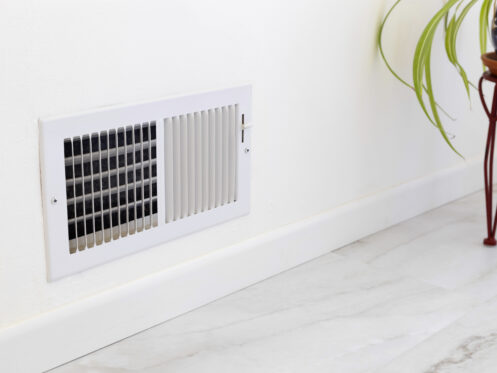
- Unobstructed supply and return air vents
- Balanced indoor humidity control
- Regular vacuuming and dusting
- Using kitchen and bathroom exhaust fans
- Professional sealing of duct leaks
- Annual pre-winter heating maintenance
Keep Your Indoor Air Cleaner as Temperatures Drop
As the weather in Bellingham gets cooler, the way air moves and what it carries through your home changes. With windows closed and heating equipment running frequently, it’s wise to pay closer attention to your HVAC filter, airflow, duct condition, and indoor humidity.
Persistent issues with dust or stuffiness may involve more than one factor, which can make professional evaluation from a team of experts very useful. The team at Marr's Heating, AC, Plumbing and Electrical offers a range of indoor air quality services to help you identify and resolve these problems effectively.
For professional HVAC, ductwork, and indoor air quality services in Bellingham, WA, trust the experts at Marr's Heating, AC, Plumbing and Electrical. Contact us today to schedule an appointment.