When fall arrives here in Bellingham, you might be thinking about Halloween or autumn leaves, but not your electrical system. However, this is the perfect time to ensure your home is safe and ready for winter’s demands. A fall electrical inspection is about proactive safety, confirming your system’s capacity and preventing dangerous problems during the coldest months.
When winter approaches, our reliance on electricity skyrockets. A system that easily handled summer’s lighter loads could be pushed to its limits. By scheduling a professional inspection now, you can address underlying issues before they become urgent, ensuring your home remains a warm and safe sanctuary all winter.
Why Does Electrical Demand Increase in Winter?
In the Pacific Northwest, the shift to winter significantly increases household power consumption. Colder, shorter days mean we rely more on electricity at home. This increased demand comes from many appliances and systems running at once.
Electric heating equipment like furnaces and heat pumps works harder to maintain a comfortable temperature. Many families also use portable space heaters, which also consume a lot of power.
Longer hours of darkness mean lights are on for extended periods. When you add holiday decorations, electric cooking, and more time indoors using entertainment systems, the combined load can expose weaknesses in your electrical system.
What Does a Home Electrical Inspection Check?
A comprehensive home electrical inspection is a thorough evaluation of your entire system by a certified electrician. The goal is to identify safety hazards, code violations, or components that are failing or improperly sized for your home’s needs. This preventative measure ensures your system is safe, reliable, and can handle your expected electrical load.
During the inspection, we meticulously examine key components, including the main electrical panel, breakers, and wiring connections. We also inspect visible wiring for signs of damage, wear, or improper installation.
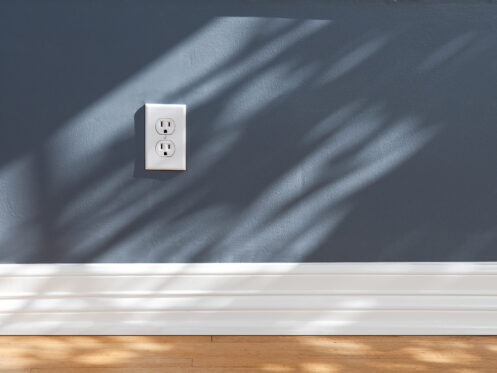
We test outlets and switches, verify proper grounding, and check safety devices like GFCIs (Ground Fault Circuit Interrupters). The inspection isn’t just about finding what’s broken; it’s about spotting potential risks before they cause a failure.
Electrical Problems an Inspection May Uncover
Many serious electrical problems develop silently behind walls or inside your panel. An inspection brings these hidden dangers to light so they can be corrected. An experienced electrician can spot subtle signs of trouble that might otherwise go unnoticed until a major failure occurs.
- Loose connections causing overheating
- Damaged, frayed, or outdated wiring
- Overloaded circuits powering too many devices
- Outdated components like fuse boxes
- Improper or missing grounding
- Visible signs of overheating
Discovering a worn-out outlet or an overloaded circuit in a fall inspection gives you plenty of time to schedule an outlet repair or installation before it becomes a winter emergency.
Can Your Electrical Panel Support Winter Power Use?
Your electrical panel is the heart of your home’s electrical system, distributing power to all circuits. Its capacity and condition are critical for reliability, especially when winter demand is high. An older panel doesn’t automatically need replacement, but you should evaluate it based on your home’s current and future electrical needs.
An inspection assesses the panel’s total amperage capacity. For example, older homes here in Bellingham and other parts of Whatcom and Skagit counties may have 60- or 100-amp panels, while modern ones often require 200 amps or more. We check for space for new breakers and examine internal components for corrosion, overheating, or wear. If your panel is struggling, one of our professionals can determine if repairs or panel upgrades are the safest solution.
Warning Signs You Should Not Ignore Before Winter
Your electrical system often provides warning signs when it’s under stress or a component is failing. Ignoring these signals can lead to larger, more dangerous problems. If you notice any of them, you should schedule a professional inspection.
Pay attention to frequently tripping breakers, as this is a classic sign of an overloaded circuit. Flickering or dimming lights when a large appliance turns on also indicate a system struggling with the load. Buzzing or humming from outlets, switches, or the panel requires immediate investigation. Warm outlets, discoloration, or burning odors are serious red flags that demand prompt professional attention.
Why Fall Is Better Than Waiting for a Winter Failure
Finding an electrical issue on a calm autumn afternoon is less stressful than losing heat on a freezing winter night. Scheduling a fall inspection is a proactive choice that gives you control. If we find issues, you have time to review options and schedule repairs at your convenience.
This planned approach allows services like a new circuit installation or panel work to be completed without urgency. A sudden failure in January could leave you without essential systems when you need them most. A fall inspection helps you avoid the disruption and safety risks of an unexpected winter power outage.
Do You Really Need an Electrical Inspection?
The honest answer is that it depends on your home’s situation. While every home benefits from a periodic safety check, an inspection is vital in certain cases. If your home meets certain criteria, scheduling an inspection this fall is a wise investment in your safety.
Consider an inspection for homes built over 40 years ago, as wiring standards have changed. If you’ve recently purchased a property, an expert inspection provides a more detailed assessment than a standard one. Other triggers include frequently tripping breakers, flickering lights, or plans to add a major new appliance. Homes with electric heat or undocumented renovations should also be prioritized for evaluation.
Schedule an Electrical Inspection Before Winter Demand Rises
Fall is the perfect opportunity to prepare your home’s electrical system for a Pacific Northwest winter. A professional inspection can identify hidden hazards and capacity concerns before your electrical use peaks, giving you confidence that your home will be safe all season. Our maintenance plan makes the process even less stressful.
Our certified electricians can thoroughly assess your system and recommend necessary repairs or upgrades. Don’t wait for a flickering light or a tripped breaker to become a major winter problem. Since 1965, our family-owned company has provided exceptional service and long-term solutions for our neighbors. To ensure your home is ready for the season, schedule an electrical inspection with our trusted team in Bellingham today.
Fall Electrical Inspection FAQs
Homeowners often have questions about the process and purpose of an electrical inspection. Here are answers to a few common ones our team receives.
We generally recommend a professional electrical inspection every 5 to 10 years. You should also have one performed when purchasing a new home, before undertaking a major renovation, or if you plan on adding a large electrical appliance like a hot tub or EV charger.
It can, but it isn’t the only cause. A frequently tripping breaker often points to a specific circuit overloaded with too many devices. However, it can also signal a short circuit in the wiring, a ground fault, or a problem with the breaker itself, all of which require professional diagnosis.
Absolutely. During an inspection, the electrician evaluates your panel’s current capacity, its physical condition, and your home’s total electrical load. Based on this assessment, they can determine whether your current panel is sufficient or whether you need an upgrade for safety and reliability.