Summer in the Pacific Northwest brings beautiful weather, longer days, and an increased demand for electricity. Relying on air conditioners, fans, and pool pumps to stay comfortable can put a significant strain on a home’s electrical system. For many homeowners, especially in older properties, this increased load can reveal hidden problems with an aging or undersized electrical panel, leading to performance issues and potential safety hazards.
You must maintain your electrical panel’s limits during peak-demand months. If your system is struggling to keep up, you might notice signs that are easy to dismiss but that could indicate a serious overload. Recognizing these warnings and knowing when to seek professional electrical services can protect your home, appliances, and family.
What Does It Mean for an Electrical Panel to Be Overloaded?
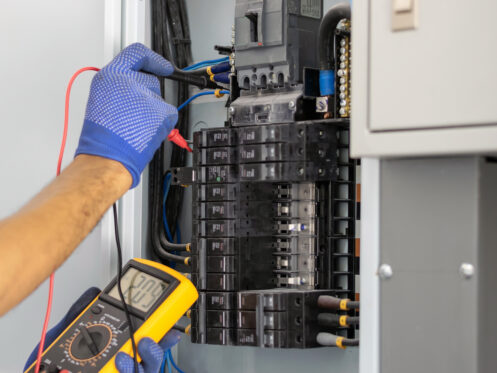
Your electrical panel, also known as a breaker box, is the heart of your home’s electrical system. It receives incoming power from the utility line and distributes it through circuits to power everything from your lights to your largest appliances. Each circuit is protected by a breaker, which is a safety device designed to automatically shut off power if the electrical current exceeds a safe level.
An electrical panel becomes overloaded when the total electrical demand from all active appliances and devices exceeds its total capacity. When this happens, circuit breakers will trip to prevent wires from overheating, which could lead to a fire. While an occasional tripped breaker is normal, frequent trips are a clear sign that your system is consistently being pushed beyond its limits.
Why Summer Places More Demand on Your Electrical System
The electrical needs of a modern home have grown dramatically over the last few decades, and summer activities often push that demand to its breaking point. Many electrical systems, particularly in older homes, were not designed to handle this cumulative load.
- Extended air conditioner use
- Window AC units and portable fans
- Pool pumps, filters, and heaters
- Hot tubs maintaining temperature
- Outdoor kitchens and electric grills
- Outdoor lights, speakers, and projectors
- Electric vehicle (EV) charging
- More appliance use for gatherings
Warning Signs Your Electrical Panel May Be Overloaded
An overloaded electrical panel rarely fails without warning. Your home will likely provide several clues that its electrical system is under stress. Paying attention to these signs can help you address the problem before it leads to a more significant issue.
- Frequently tripped breakers
- Flickering or dimming lights
- Warm outlets, switches, or panel
- Burning odor from panel or outlets
- Buzzing or crackling from breakers
- Appliances losing power unexpectedly
Older Homes in Bellingham May Face Additional Risks
Many of the beautiful, historic homes in Bellingham and throughout Whatcom County were built when household electrical demand was a fraction of what it is today. A house built in the 1970s might have been equipped with a 60-amp or 100-amp panel, which was sufficient for the time. Today, however, that same panel is trying to support modern HVAC systems, multiple computers, smart home devices, entertainment centers, and high-efficiency appliances.
This power mismatch creates specific risks. Older panels may not be designed for the electrical requirements of modern technology. Over the years, home additions or renovations may have added circuits without a corresponding panel capacity upgrade. Aging wiring and breaker components can degrade, increasing the risk of failure under the heavy load of a hot summer day.
How an Overloaded Panel Can Affect Your Home
Ignoring the signs of an overloaded electrical panel can have serious consequences for your home’s safety and functionality. The issues range from minor annoyances to significant dangers that require immediate attention from a qualified electrician.
First, you’ll experience reduced electrical reliability. Constant breaker trips can interrupt your daily routine, and an unstable power supply can damage sensitive electronics, such as computers and smart devices, by causing power surges or brownouts.
Most importantly, a consistently overloaded panel creates a significant fire risk since wires and internal components can overheat. It can also cause performance issues with your HVAC system because the air conditioner may not receive the consistent power it needs to operate efficiently.
Common Summer Electrical Loads That Add Up Quickly
It’s often not one single appliance that overloads a panel but the cumulative effect of many devices running at once. Understanding which items draw the most power can help you manage your electrical load more effectively.
- Central air conditioning systems
- Portable air conditioners
- Refrigerators and extra freezers
- Electric grills and outdoor cooktops
- EV chargers
- Workshop and garage equipment
How to Reduce Strain on Your Electrical Panel
While a panel upgrade may be the ultimate solution, there are steps you can take to manage your home’s electrical load and reduce immediate strain. These habits can help improve safety and reliability, especially during heat waves.
- Avoid using major appliances at once
- Spread out electrical usage
- Schedule a professional inspection
- Upgrade outdated circuits
- Add dedicated circuits for new equipment
- Plan for a future panel upgrade
When It’s Time for an Electrical Panel Upgrade
Sometimes, load management isn’t enough. An electrical panel upgrade is a necessary investment in your home’s safety and future readiness. If you’re experiencing persistent issues or planning for the future, it may be time to replace your old panel with a modern one that has a higher capacity, such as 200 amps.
Key indicators that it’s time for an upgrade include recurring breaker trips that don’t resolve with load management and running out of space to add new circuits. You should also plan for an upgrade if you are undergoing major home renovations, adding a large addition, or installing new high-draw equipment like an EV charger, a hot tub, or a new HVAC system. An electrical panel upgrade ensures your home can safely and reliably meet your power needs for years to come.
Schedule an Electrical Panel Inspection With Marr's Heating, AC, Plumbing and Electrical
Your electrical panel is too important to leave to chance. Before peak summer demand puts your system to the test, ensure it’s up to the task. For professional electrical panel services in Bellingham, WA, contact our team today to schedule an appointment.
Frequently Asked Questions
Common signs include frequently tripping breakers, dimming or flickering lights when appliances turn on, buzzing sounds from the panel, a burning smell, and outlets or switches that are warm to the touch. These symptoms indicate your system is struggling to meet demand.
Breakers trip more in the summer due to increased electrical load. Air conditioners, pool pumps, dehumidifiers, and other cooling equipment run for extended periods, drawing significant power and pushing your electrical system to its capacity.
Yes, an overloaded panel is a serious safety hazard. The excessive electrical current can cause wires to overheat, melting their protective insulation and creating a significant risk of an electrical fire. It can also damage connected appliances.
While it depends on the size of the home and its electrical demands, the modern standard for new construction is typically 200 amps. Older homes may only have 60-amp or 100-amp service, which is often insufficient for today’s technology and appliances.
In most cases, yes. EV chargers require a significant, sustained power draw that older or smaller panels cannot safely support. A professional electrician should evaluate your system to determine if a panel upgrade or a new dedicated circuit is necessary.
It’s a good idea to have your electrical panel inspected by a qualified electrician every three to five years. You should also schedule an inspection if you are buying a home, planning a major renovation, or notice any warning signs of an overload.