That slow-draining sink or dripping faucet may seem like a minor annoyance, but these small plumbing problems can escalate when colder weather arrives. As temperatures drop, increased pressure on your pipes can turn into a major emergency. Addressing these warning signs in the fall ensures your home’s plumbing is ready for the demands of a Pacific Northwest winter.
Ignoring minor plumbing symptoms can lead to expensive repairs later. A proactive approach may help prevent water damage and save money later.
Which Minor Plumbing Problems Should You Address First?
Small plumbing quirks are often symptoms of an underlying issue that needs attention. Before winter sets in, inspect your home for any of these common warning signs. This includes everything from dripping faucets and running toilets to slow drains and inconsistent hot water.
Low water pressure affecting only one or two fixtures might point to a clogged aerator, but widespread low pressure could signal a more serious problem like a hidden leak. Small leaks under sinks or around the base of a toilet are particularly important to fix promptly. These persistent symptoms rarely resolve on their own and typically worsen over time under the stress of cold weather.
How Small Leaks Can Become Expensive Damage
Even a slow, steady drip can cause significant and costly damage over time. Water is incredibly destructive when it gets into places it doesn’t belong. A minor leak inside a cabinet can saturate wood, leading to rot and structural weakness.
This moisture can also seep into subflooring, damage drywall, and compromise insulation. Beyond the visible destruction, persistent dampness creates the ideal environment for mold and mildew growth. This not only produces musty odors but can also impact your home’s indoor air quality. Addressing a small leak is always more manageable than a full-scale water damage restoration project.
- Warped or stained cabinetry and vanities
- Damaged vinyl, laminate, or hardwood flooring
- Soft or crumbling drywall and plaster
- Compromised and ineffective insulation
- Growth of harmful mold and mildew
- Musty odors that permeate living spaces
Why Cold Weather Can Make Pipe Problems Worse
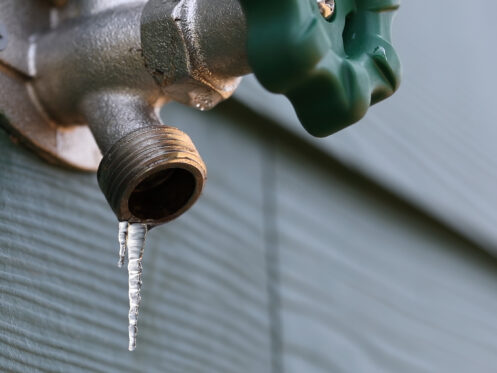
Homes in our area experience freezing temperatures each winter, which puts plumbing systems to the test. Water expands when it freezes, exerting immense pressure on the inside of pipes. A healthy, well-insulated pipe can typically handle this stress, but a compromised one is at much greater risk of bursting.
Pipes located in unheated areas like crawl spaces, basements, attics, or exterior walls are the most vulnerable. Existing issues such as corrosion, loose connections, or tiny, unnoticed cracks can easily fail under the added strain of freezing. A minor drip can become a major flood overnight, causing catastrophic damage to your property and belongings. Inspecting and repairing these weak points in the fall is a critical step in winter preparation.
Slow Drains and Recurring Clogs Before Winter
An occasional slow drain might not seem like a big deal, but if you find yourself constantly reaching for the plunger or using generic drain cleaners, it could indicate a developing blockage deeper in your plumbing system. Grease, hair, soap scum, and other debris can build up over time, gradually narrowing the pipe and restricting water flow.
This problem can become particularly acute during the winter holidays. Increased cooking, more houseguests, and heavier use of showers and sinks can push a partially blocked drain over the edge, resulting in a complete backup. For homes on a septic system, recurring slow drains can also be an early warning that you need septic tank pumping. Scheduling professional drain cleaning in the fall clears these obstructions, ensuring your system can handle the extra demand.
- Multiple slow drains at once
- Gurgling sounds from drains
- Water backups in sinks or showers
- Sewage odors from drains
Do Running Toilets and Dripping Faucets Really Matter?
A running toilet or a dripping faucet is more than an annoying sound; it’s a constant source of water waste. A single dripping faucet can waste hundreds of gallons of water per year, and a running toilet can waste several gallons per hour. This drives up your utility bills and places unnecessary wear on your plumbing system.
These issues are typically caused by worn-out seals, faulty valves, or failing internal toilet components. While the parts are often inexpensive, the problem requires a proper diagnosis and repair to solve effectively. These minor fixture problems will not correct themselves and will continue to waste water and money until professionally addressed by a licensed plumber.
Check Hot Water Problems Before Demand Increases
Your family relies on hot water a lot more during the colder months for everything from warmer showers to washing dishes. That’s why fall is the perfect time to address any signs of water heater trouble. Symptoms like slow hot water recovery, fluctuating temperatures, or a reduced hot water supply may mean your unit needs service.
Unusual noises like popping or rumbling can indicate sediment buildup inside the tank, which reduces efficiency and can lead to premature failure. For both traditional and tankless units, routine service is key. Our technicians can perform water heater maintenance to flush sediment, inspect the anode rod, and ensure all components are working correctly. This proactive service ensures you won’t be left with cold showers on a frigid winter morning.
Signs a Minor Problem Needs Prompt Professional Attention
While many plumbing issues provide early warnings, some symptoms require an immediate professional evaluation to prevent significant damage. If you notice spreading water stains on ceilings or walls, a sudden and significant drop in water pressure throughout your home, or multiple drains clogging at once, it’s time to call for help.
Other urgent signs include discolored or rusty-looking water, sewage odors inside your home, or an unexplained spike in your water bill, which often points to a hidden leak. Waiting to address these problems risks extensive property damage or a complete loss of plumbing service. Annual plumbing maintenance can help identify potential issues before they become emergencies.
Fix Small Plumbing Problems Before Winter Raises the Stakes
Being proactive with your home’s plumbing is one of the smartest investments you can make. Taking care of drips, clogs, and other minor issues during the fall can prevent them from turning into costly emergencies. Scheduling fall repairs through our service plan can protect your property from water damage, prevent inconvenient backups, and help you avoid a stressful emergency call during a winter storm.
Since 1965, Marr's Heating, AC, Plumbing and Electrical has been dedicated to providing exceptional service and long-term solutions for homeowners. Our highly trained and certified plumbers are ready to get your system in top shape for the season. If you have any plumbing concerns, contact Marr's Heating, AC, Plumbing and Electrical today to schedule an inspection and repair in Bellingham, Washington.
Fall Plumbing Repair FAQs
As you prepare your home for winter, you might have a few questions about your plumbing system. Here are answers to some common ones we get.
Yes! When water freezes, it expands with incredible force. A pipe with a pre-existing crack or weak joint is highly susceptible to bursting when the water inside it freezes, turning a minor drip into a major flood that can cause extensive damage.
Definitely. Recurring slow drains often signal a larger blockage forming in your main sewer line. Increased holiday usage can overwhelm a partially clogged line, leading to a messy sewage backup. A professional inspection can identify and clear the problem before it becomes a bigger issue.
First, check if your neighbors have the same issue; if so, it’s likely a municipal supply problem. If the low pressure is only in your home, it points to an internal issue, such as a clogged pipe, a failing pressure-reducing valve, or a hidden water leak. A professional plumber can diagnose the cause.