When you think of a sewer backup, you might picture a major storm flooding the municipal drainage system. While heavy rain is a common culprit, the summer season in Bellingham brings its own unique set of conditions that can significantly increase the risk of a messy and expensive plumbing emergency. From tree root growth to increased water usage, the warmer months put extra strain on your home’s sewer lines.
For homeowners in Whatcom and Skagit County, being proactive can mean the difference between a relaxing summer and a disruptive plumbing disaster. This guide will walk you through the common seasonal triggers, the warning signs to watch for, and the steps you can take to protect your property before a minor drainage issue becomes a major problem.
Why Sewer Backups Are More Common During Summer
Summer might seem like a less likely time for plumbing issues, but several factors converge to make sewer backups more frequent. The combination of our Pacific Northwest climate and changes in household habits creates the perfect environment for blockages and drainage failures.
Heavy rainfall and sudden downpours can overwhelm local sewer systems, especially older infrastructure. At the same time, households tend to use more water for activities like gardening, washing cars, and filling pools, placing a higher load on the drain lines. Beneath the surface, the growing season is in full swing, and tree roots are actively searching for water, often finding it in your sewer pipes. Even seasonal outdoor activities like barbecues can contribute to clogs if you don’t dispose of grease and food waste properly.
The Most Common Causes of Summer Sewer Backups
Several distinct issues contribute to summer sewer problems. While some are sudden, like a storm, others build up slowly over time and only become apparent when the system is under seasonal stress.
Tree Root Intrusion
During the warm, active growing season, the root systems of trees and large shrubs expand in search of moisture and nutrients. Your sewer line is an attractive target because it contains a constant supply of water. Roots can infiltrate pipes through tiny cracks or loose joints, and once inside, they continue to grow, creating a dense mat that catches waste and paper products. Over time, this root mass can completely block the pipe, leading to a severe backup.
Heavy Summer Rain
While we enjoy the sunny weather, the Pacific Northwest can have intense summer rainstorms. These downpours can quickly overwhelm municipal sewer systems, causing water to flow back toward homes. If your private sewer lateral has cracks or damage, excess groundwater can also seep in, adding to the volume and pressure inside the pipes. This increased pressure can exacerbate existing weaknesses in aging pipes, leading to collapses or significant backups.
Grease and Food Waste
Summer is the season for outdoor cooking, family gatherings, and barbecues, which often means dealing with more cooking grease, fats, and oils. When you pour all these substances down the drain, they cool and solidify, coating the inside of your pipes. This sticky buildup gradually narrows the pipe and acts like a magnet for other debris, such as food scraps and hair. Eventually, this accumulation can form a stubborn clog that blocks the flow of wastewater.
Aging or Damaged Sewer Lines
Many homes in the Bellingham area have older sewer lines made of materials such as clay or cast iron, which are susceptible to corrosion and degradation over time. Pipes can develop cracks, misalign at the joints, or even collapse entirely. The seasonal stresses of summer, such as shifting soil from dry conditions or pressure from heavy rains, can turn a minor crack in an aging pipe into a major failure, resulting in an immediate and serious backup.
Warning Signs of a Sewer Backup
Sewer backups rarely happen without some warning. Paying attention to the subtle signs of a developing blockage can help you address the problem before it escalates. If you notice any of the following symptoms, it’s time to investigate further.
- Multiple slow drains, especially on lower levels
- Gurgling sounds from toilets or drains
- Unpleasant sewage odors inside or outside
- Water backing up into tubs or showers
- Unusually green or soggy patches on your lawn
How to Prevent Sewer Backups
Prevention is the most effective strategy for avoiding the inconvenience and cost of a sewer backup. A few good habits and proactive maintenance steps can keep your drainage system flowing smoothly all summer long.
Start by being mindful of what goes down your drains. Dispose of cooking grease, fats, and oils in the trash, not the sink. Avoid flushing anything other than human waste and toilet paper. So-called “flushable” wipes, paper towels, and feminine hygiene products do not break down and are a primary cause of clogs.
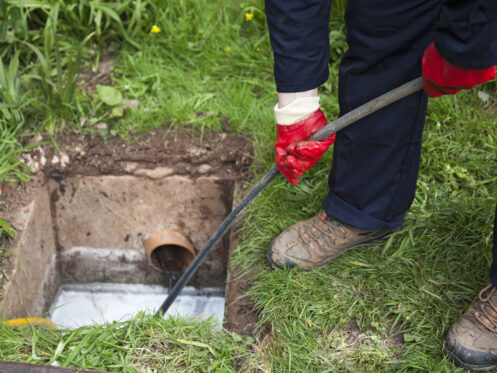
If you have large trees on your property, consider their proximity to your sewer line. Addressing potential tree root intrusion early can prevent significant damage. For recurring issues or peace of mind, a professional sewer camera inspection can identify hidden problems like cracks, root growth, or pipe deterioration before they cause a backup. Most importantly, scheduling routine drain cleaning can clear out buildup and keep your lines in optimal condition.
When to Call a Professional Plumber
While a minor clog in a single sink might be a simple fix, sewer line problems require professional expertise and equipment. Attempting to clear a main line blockage yourself can be ineffective and may even damage your pipes. It’s crucial to call a licensed plumber if you experience any of the following situations.
- Repeated drain backups
- Multiple fixtures backing up simultaneously
- Persistent and foul sewer odors
- Standing wastewater in tubs or drains
- Signs of sewer line damage in your yard
Why Preventative Sewer Maintenance Pays Off
Investing in preventative maintenance for your sewer line is one of the smartest decisions a homeowner can make. It helps you avoid the stress and expense of emergency repairs, which always seem to happen at the worst possible time. Proactive care extends the life of your sewer lines by removing corrosive buildup and identifying potential failures before they occur.
Regular inspections and cleaning also improve the overall drainage performance of your home, preventing the slow drains and gurgling noises that signal a developing problem. By catching issues like root intrusion or small cracks early, you can often opt for less invasive repair methods, saving you from a costly and disruptive full-line replacement down the road.
Prevent Sewer Backups with Marr's Heating, AC, Plumbing and Electrical
Don’t let a sewer backup ruin your summer. Since 1965, Marr's Heating, AC, Plumbing and Electrical has been helping homeowners across Whatcom and Skagit County protect their properties with expert plumbing and sewer services. Our highly trained technicians use advanced diagnostic tools, like sewer camera inspections, to pinpoint the exact cause of your drainage issues.
Whether you need routine drain cleaning to prevent buildup or a more comprehensive solution for a damaged line, our team has the experience to perform the job properly. If you worry about your home’s plumbing, contact us to schedule a professional evaluation. Let our team provide the peace of mind you deserve with reliable sewer line services in Bellingham, Washington.
Frequently Asked Questions
Tree roots gravitate towards moisture, oxygen, and nutrients in sewer lines. They can enter through even the smallest cracks, fractures, or loose joints in a pipe. Once inside, the roots thrive and expand, eventually forming a large mass that obstructs wastewater flow.
For homes with older pipes or properties with large, mature trees near the sewer line, a professional camera inspection every one to two years is a good preventative measure. If you have a newer home and don’t have any issues, an inspection every three to five years is generally sufficient for proactive maintenance.
Absolutely. Professional drain cleaning, often done with high-pressure water jetting, is one of the most effective ways to prevent backups. It scours the inside of your pipes, removing grease, sludge, scale, and even small tree roots that have started to intrude. This keeps the line clear and significantly reduces the risk of clogs forming.