
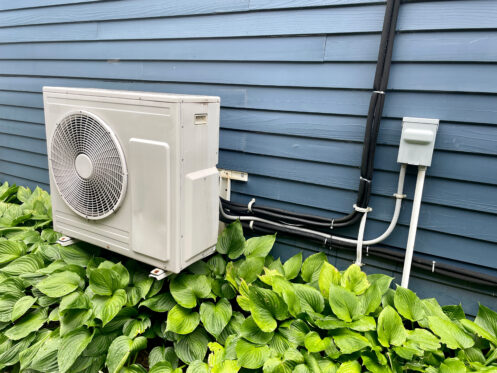
Older heat pump technology struggled to keep up when temperatures fell into the single digits. Many homes relied on backup heat sources because early-generation systems could not pull enough heat from the outdoors to heat homes comfortably. Today’s heat pumps, however, operate on a completely different level. Modern cold-climate systems perform exceptionally well in extreme winter weather and now serve as a primary heating source in many Washington homes.
How Modern Heat Pumps Work in Winter
Heat pumps move heat rather than create it. This allows them to operate far more efficiently than combustion-based systems. Instead of burning fuel, a heat pump uses a refrigerant cycle to draw heat from the outdoor air and transfer it indoors. Even cold air contains thermal energy. Today’s systems can extract heat at temperatures that would have overwhelmed older models.
The Refrigerant Cycle and Low Temperatures
In winter, the refrigerant inside the outdoor coil absorbs heat from the air, even when that air feels freezing to the touch. The refrigerant evaporates, moves through a compressor, and releases that heat inside the home. Once it offloads the heat, it returns outside to repeat the process. Modern systems tend to use advanced refrigerants and variable-speed compressors. High-performance coils capture heat in challenging conditions. These upgrades allow them to maintain consistent heating output with far less energy.
Why Cold-Climate Heat Pumps Perform Better Than Older Systems
Cold-climate heat pumps have unique HVAC technology features that boost performance. Older systems struggled below 30°F and became virtually useless when temperatures dropped to around 0°F. The newest models operate effectively at sub-zero temperatures and can maintain a high level of efficiency throughout the season.
Advances in Efficiency and Power
Today’s cold-weather heat pumps include variable-speed or inverter-driven compressors that adjust as outdoor conditions change. Instead of turning on and off repeatedly like older systems, the compressor ramps up or down to match heating demand. This eliminates wasted energy and maintains indoor temperatures more evenly.
High-performance refrigerants also play a role. Older refrigerant could not absorb enough heat in extremely cold air. Modern blends remain effective at much lower temperatures. Improved coil design, smarter defrost cycles, and more precise sensors allow heat pumps to operate reliably even when snow, ice, and wind challenge outdoor components.
The Benefits of Heating With a Heat Pump
Heat pumps have become popular because they deliver comfort and efficiency while also lowering energy usage. They provide an all-in-one solution that can easily handle heating and cooling needs.
Energy Efficiency and Indoor Comfort
Since heat pumps move heat instead of generating it, they can achieve higher efficiency than most furnaces. This leads to reduced energy use, lower heating bills, and more consistent temperatures inside your living space. Instead of blasting hot air in short bursts, heat pumps run longer, gentler cycles that can maintain a comfortable warmth throughout your home.
The ability to provide cooling during summer adds even more value. You will get year-round comfort using a single system. The same variable-speed technology that improves winter performance can also enhance summertime efficiency.
When a Hybrid System Makes Sense
A hybrid setup combines a heat pump with a furnace to create a high-efficiency heating solution. This allows you to take advantage of the strengths of both systems while minimizing operating costs.
How Furnace Backup Enhances Winter Reliability
In a hybrid setup, your heat pump will handle most of your heating needs. It will run during mild to moderate winter days, providing warmth without burning fuel. When temperatures drop to a set point, the system automatically switches to the furnace. This will help to make sure that your family has uninterrupted comfort during harsh cold snaps.
This approach gives you the efficiency of a heat pump but the peace of mind that comes from having a powerful secondary heat source ready when needed. The furnace rarely runs. However, when it does, it handles the extreme temperatures that would otherwise challenge a system.
Lower Energy Bills and Extended Equipment Life
Since the heat pump carries most of the workload, the furnace experiences far less wear. This reduces your maintenance needs and can extend the life of both systems. Meanwhile, the heat pump’s efficiency results in lower monthly heating costs. Hybrid systems also allow for customized comfort because your system activates the most cost-effective heat source based on outdoor temperatures.
Are Heat Pumps Enough for Homes in Cold Winters?
You may wonder whether a heat pump alone can provide enough warmth during winter without assistance. Thanks to advancements in cold-climate engineering, the answer is yes for most regions. Thousands of homes in northern states now rely on heat pumps as their primary source of heating.
What Homeowners Should Expect
A modern heat pump maintains consistent heating output even when temperatures fall to near zero. The system may need to run longer cycles in colder weather, but this is normal and part of how technology maintains comfort. Unlike furnaces, which deliver hot blasts of air, heat pumps keep a steady, gentle warmth flowing throughout the home.
You can choose to install auxiliary electric heat strips as a backup option. These activate only when necessary and provide additional support during extreme cold. Others choose the hybrid setup for added reliability. Either way, you benefit from a dependable system that delivers maximum efficiency.
Ensuring the Best Performance
Choosing the right size, model, and installation method makes a difference in how well a heat pump performs during winter. Professional installation ensures proper airflow, refrigerant charge, and system configuration.
Annual Maintenance and System Checks
Routine maintenance keeps a system operating at peak efficiency. One of our technicians checks refrigerant levels, inspects the outdoor unit for ice buildup, and evaluates compressor performance. We will also ensure airflow remains unrestricted. Keeping filters clean also plays a major role in maintaining heating output. A well-maintained heat pump retains its efficiency and heating capacity for years. This makes it a long-term investment that improves comfort throughout your home.
Why More Homeowners Are Switching to Heat Pumps
As energy costs rise and homeowners seek cleaner, more efficient heating options, heat pumps continue to gain popularity. Their ability to provide reliable winter heat while reducing energy bills makes them a strong alternative to traditional systems.
Cleaner Operation and Long-Term Savings
Heat pumps do not burn fuel, so they eliminate combustion fumes, soot, and associated carbon monoxide risks. They also reduce reliance on fossil fuels and create a more energy-efficient home. Over time, homeowners often notice significant savings due to the system’s high efficiency and lower maintenance needs. The versatility of a heat pump, combined with optional hybrid support, gives homeowners a flexible, future-focused heating solution.
Dependable Heat Pump Installation
If you’re asking whether a heat pump can heat your home in the winter, the answer is a confident yes. Modern cold-climate models provide strong, reliable heating even in freezing temperatures. When paired with a furnace in a hybrid setup, they deliver unmatched flexibility, efficiency, and comfort throughout the winter. At Marr's Heating, AC, Plumbing and Electrical, we have been serving the heating needs of the Bellingham, WA area since 1965. Contact us today to book an appointment with Marr's Heating, AC, Plumbing and Electrical today.