As we welcome spring in Bellingham, WA, it’s important to ensure your air conditioning system is ready for warmer temperatures. You don’t want to put this off until the first heat wave. Rather, take some time to get your AC ready to avoid breakdowns, confirm efficient cooling, and improve indoor air quality and comfort. Our team at Marr's Heating, AC, Plumbing and Electrical can help with routine AC maintenance this spring.
Early Maintenance Is Key
There are several reasons why spring is the perfect time to assess your AC system. Temperatures are still mild. You don’t have to worry about your equipment running or being overworked. Also, early detection of issues is important. If anything is wrong or your AC doesn’t run, you’ll have time to schedule repairs. HVAC companies tend to get very busy in the summertime, so spring allows for ease of scheduling and faster service.
When your AC is performing optimally, you can expect it to run efficiently. This helps reduce your energy consumption, which reduces your carbon footprint. Efficiency also equates to savings. The less energy you use, the lower your monthly bills will be. By ensuring you aren’t overworking an underperforming AC unit, you can avoid frequent repairs and prevent premature equipment replacement.
Perform a Test of Your AC
Before temperatures climb, run your AC to confirm that it works. Cool air should come from your vents within a few minutes of switching to cooling and adjusting the setting to lower than your current interior temperature. Listen for any abnormal noises like grinding or squealing.
You may notice a slightly dusty smell coming from your vents. This is perfectly normal and is usually the result of debris that has accumulated on AC components over the winter. The smell should go away within a few minutes. If you smell something burning or see smoke coming from your HVAC equipment or vents, turn your unit off immediately. Call a professional for assistance.
Inspect Your Air Filter
After a long winter of furnace use, your filter may be clogged. A dirty filter can lead to airflow restriction, which overworks and strains your AC system. You may notice a reduction in cooling performance, higher energy bills, and frequent repairs if you skip filter changes. Inspect your filter for large clumps of debris. Surfaces in your home may appear dirty quickly after cleaning if your filter is dirty. If light can’t pass through the filter, it’s likely time for a new one.
Consider the type of filter you’re using. With spring bringing in high levels of pollen, upgrading your filter may be beneficial. Use a filter with a MERV rating between 8 and 12. Anything less than that will allow particulate matter to circulate through your home and diminish your indoor air quality. A filter with a rating higher than 12 will result in too much airflow restriction. This can strain your system and cause permanent damage. Keep up with changing your filter every 30 to 90 days throughout the spring and summer months, especially if you suffer from seasonal allergies.
Check Airflow Coming From Vents
If you don’t have sufficient air coming from your vents, you can’t expect your AC to cool your home. Aside from a dirty filter, this issue may be the result of ductwork damage or blockages in your ducting. A failing blower motor can result in not enough conditioned air being pushed through your ductwork and into your living spaces. Low refrigerant can lead to coils freezing and a lack of cooling.
Walk through each room of your home to determine if all vents are open and if sufficient air is coming out. If certain rooms seem cooler than others or airflow is weaker, contact a professional for an inspection.
Inspect Your Outdoor AC Condenser
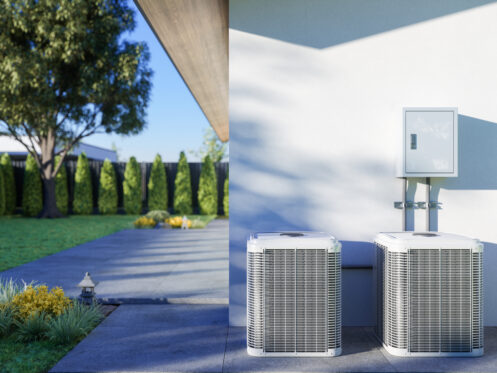
Inspect the outdoor component of your AC setup. After winter, it’s common for leaves, sticks, and garbage to be around your condenser. This debris can block airflow. Look into the unit to see if the fins are bent or have any other damage. It may be necessary to have your condenser cleaned if there is dirt on the interior coils or if insects, rodents, or animals have built a nest inside. Confirm that there are at least a few feet of clearance around your AC condenser before relying on your unit for consistent cooling.
Listen for Loud or Abnormal Noises
If you’re hearing any abnormal sounds while your AC is running, consider potential mechanical issues. Hire a professional to inspect your system. We will check for bearing or motor problems that result in grinding. Buzzing sounds are often the result of electrical issues or loose parts causing friction. Don’t ignore noises that seem out of the ordinary. This can lead to more expensive repairs further down the road.
Don’t Forget About Your Thermostat
As the central hub for your cooling system, your thermostat should be a focus of your spring AC check. Make sure that you switch over from heating to cooling. Adjust your programmed schedule to reflect your current cooling needs. A professional calibration may be needed to ensure efficient use of your AC equipment this spring. If you don’t already have one, consider upgrading to a smart thermostat to reap the benefits of convenience and energy savings.
Check for Moisture
As your AC unit cools the air, moisture is removed. This moisture should drain through a condensate line and away from your home. This line needs to be periodically cleared of mineral deposits and sediment. Otherwise, water can back up and pool nearby. You should also inspect for water pooling around your unit or corrosion on your AC unit.
Monitor the relative humidity in your home. It should remain between 35% and 50%. If your home feels humid or surfaces have condensation on them, think about removing moisture. Your drain line may be the issue. Component malfunction may be impeding the cooling process, preventing water from being removed. It’s a good idea to use a whole-home dehumidifier to remove excess moisture if this is a common problem in your home. Excess moisture promotes mold growth, which is dangerous to your health.
Consider an AC Upgrade
AC equipment can last anywhere from 15 to 20 years with routine maintenance and professional repairs. If your equipment is nearing the end of its useful life, now may be the time to upgrade. Modern units are very efficient. You may save a substantial amount of money on your monthly energy bills. Evaluate your energy bills from last season. If it appears your system is aging and losing efficiency, spring is the perfect time to upgrade.
There may be tax incentives and rebates to help offset the initial investment. Our team can help you size a new unit to ensure sufficient and consistent cooling throughout your residence this summer.
As one of the most important pieces of equipment in your home, your AC system deserves professional attention each year. Our team can assist with annual AC inspections, routine maintenance, and necessary repairs. Contact us at Marr's Heating, AC, Plumbing and Electrical today for AC support in Bellingham.