Heating upgrades are a significant investment for Washington homeowners, particularly in areas prone to rising energy costs and long, damp winters. Many households rely on electric resistance systems or older furnaces that struggle to meet demand, which can also drive monthly utility bills higher. The Inflation Reduction Act, also known as IRA, introduced new incentives that sometimes make modern heating solutions more affordable than they once were.
Among the most impactful incentives available is the IRA heat pump tax credit, which is helping Washington homeowners reduce the upfront costs of switching to high-efficiency heating and cooling systems. Though the IRA has been largely repealed, you may qualify for these tax credits if your system was installed before December 31st, 2025.
Heat pumps are particularly well-suited for Washington’s climate, where high humidity and moderate temperatures make consistent comfort and efficiency priorities. By combining potential local incentives with federal tax credits, homeowners can substantially lower the cost of heating system upgrades while improving indoor air quality, comfort, and long-term energy savings.
Understanding the IRA Heat Pump Tax Credit
The IRA included a specific federal tax credit intended to encourage homeowners to make investments in energy-efficient equipment for their residences. When it comes to heat pumps, this credit allows eligible homeowners to claim a percentage of the installation cost on their annual federal income tax return. This includes both professional installation and the equipment, making a significant difference in the overall affordability.
Many Washington homeowners can use this credit to cover as much as 30% of the expenses involved with a qualifying pump system, although the IRS does set an annual cap. The dollar amount depends on the system you choose and the final installation price; however, systems can easily cost several thousand dollars. This incentive applies to ductless mini-splits, air-source heat pumps, and some ground-source heat pumps that meet the applicable efficiency standards.
The purpose of this credit is to reduce carbon emissions and energy consumption while giving homeowners a helping hand in modernizing their HVAC systems. By lowering financial barriers, the IRA makes it easier for households to replace aging systems that are becoming increasingly expensive to maintain and operate.
Why Heat Pumps Are Ideal for Washington Homes
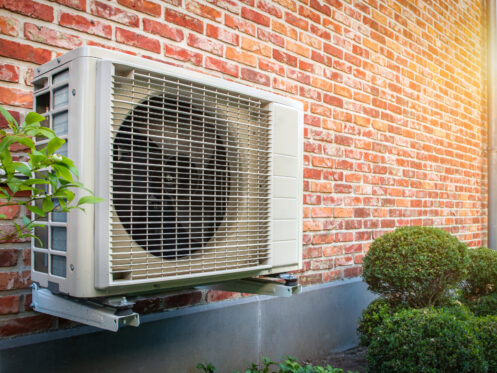
Heat pumps aren’t new technology by any means. However, recent advances have made them more effective in cooler climates, such as those common to many parts of Washington state. A modern cold-climate heat pump can deliver dependable warmth even when outdoor temperatures drop, while using less energy than a traditional system. One primary advantage of heat pumps is that they provide both heating and cooling. This is particularly beneficial in Washington, as summer temperatures are warming and becoming more unpredictable. Rather than maintaining separate systems, households can rely on a single solution for year-round comfort.
A heat pump operates by moving heat instead of generating it via electric resistance or combustion. That makes heat pumps highly efficient and well-suited for the state’s increasing focus on clean energy. Homeowners who use electricity generated by renewable sources enjoy even greater environmental benefits.
How the Tax Credit Lowers Upfront Installation Costs
The initial cost of installing a new heat pump system can look intimidating, especially if you compare it to a simple furnace replacement. Labor, equipment, and any required electrical upgrades can add up quickly. The IRA heat pump tax credit is a direct offset of these expenses because it reduces the amount you will owe in federal taxes.
For instance, consider an example where a qualifying heat pump installation would cost $15,000. If you qualify for the maximum percentage credit, several thousand dollars might be recouped when you file your taxes. This effectively lowers the project’s overall cost, improving your return on investment.
If you factor in the potential long-term energy savings, improved system lifespan, and reduced maintenance needs, the financial picture should look even more favorable. In many situations, the tax credit might be the deciding factor that makes upgrades feasible within your household budget.
Eligibility Requirements Washington Homeowners Should Know
For a system to properly qualify for the IRA heat pump tax credit, it has to adhere to specific efficiency standards the federal government has established. These standards ensure related equipment delivers meaningful environmental benefits and energy savings.
You do have to follow two primary requirements yourself. First, the residential location matters. Second, professional installation also comes into play.
As a homeowner, you have to install the system in your existing primary residence; that home has to be located inside the United States. If you’re dealing with a new construction, it will typically be covered by different incentive rules; confirming eligibility before moving ahead is crucial.
Another key requirement is professional installation. Work with a licensed HVAC contractor to ensure you have a system that’s sized correctly, safely installed, and documented properly for tax requirements. Homeowners need to keep all receipts and manufacturer certification statements for when they prepare to claim the credit.
Combining Federal Credits With Washington State Incentives
Being able to layer multiple incentives is a big advantage for Washington homeowners. On top of the federal IRA tax credit, there might be utility, state, or local rebate programs that further reduce your potential costs. Washington utility providers frequently offer rebates to households that install high-efficiency heat pumps, especially when replacing older fossil fuel or electric systems. These rebates are often applied shortly after installation, reducing the amount you pay upfront rather than waiting for tax-season savings. If you can combine local rebates with federal tax credits, you can achieve significant total savings. In some circumstances, homeowners can reduce the effective costs of heat pump installation by thousands of dollars. This would make a premium system comparable in price to conventional upgrades.
Planning Your Upgrade Timeline
In terms of maximizing wavings, timing can matter. Homeowners need to consider how the tax credit might apply to the year of installation, but they also need to see how it fits into their broader household financial planning. Upgrading before a system fails enables better planning and more options rather than rushing into a replacement during a winter emergency. You’d also have more time to research incentives, compare different systems, and schedule installation for a less-busy season.
Supporting Comfortable Homes Across Washington
Many homeowners in Bellingham and the surrounding areas have discovered that upgrading to a heat pump is about more than just saving money. It’s also about improving reliability, energy efficiency, and comfort in a climate where dependable heating is a must. Marr's Heating, AC, Plumbing and Electrical serves regional residents with many solutions, ranging from heat pump installation and air conditioning upgrades to ongoing HVAC maintenance and ductless systems. When you work with an experienced local team, you can make sure your new system is optimized for Washington conditions and meets the eligibility requirements for any available incentives, including the IRA heat pump tax credit.
Schedule a consultation with Marr's Heating, AC, Plumbing and Electrical today to improve comfort while reducing costs with a heating upgrade.