You rely on your furnace to keep you warm during winter, and heating maintenance in Burlington, WA, helps you do this. Seasonal tune-ups ensure your heating system runs efficiently and functions well. At Marr's Heating, AC, Plumbing and Electrical, we provide our customers with comprehensive furnace maintenance services to improve the comfort of their homes.
Heating Maintenance in Burlington, WA
WE OFFER FINANCING
What’s Included in Heating Maintenance?
Your home’s furnace runs 2,200-3,500 hours over the course of a heating season in the Northwest. High run times mean more chances of breakdowns caused by wear and tear on the system. Your system’s electrical components might experience corrosion, dust might clog the filtration system, and so on.
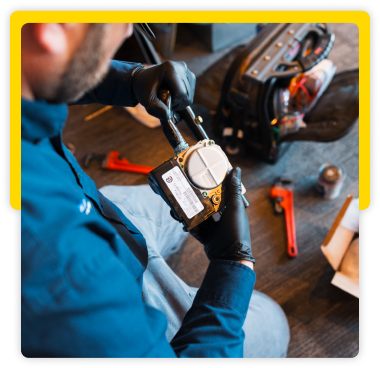
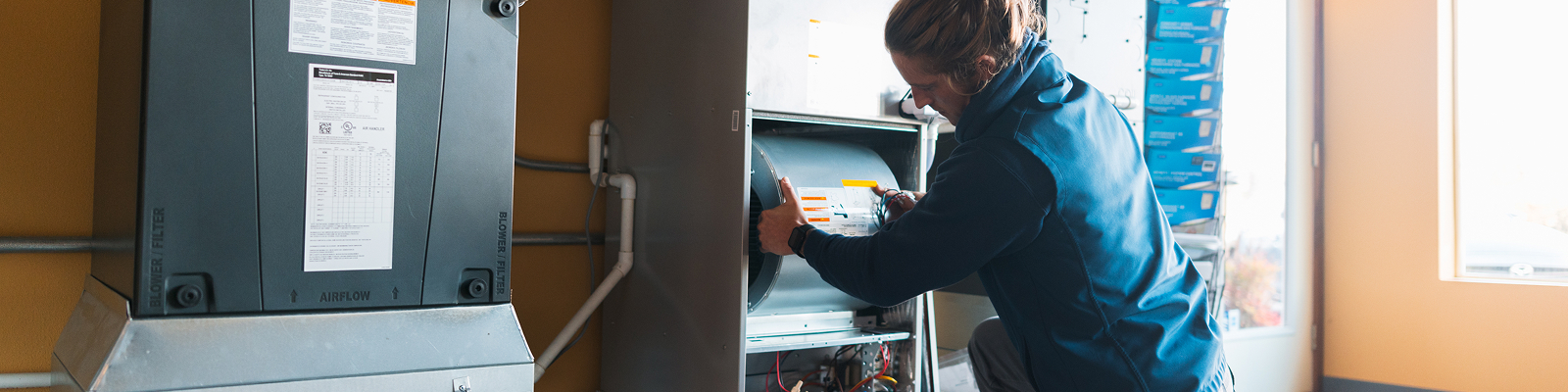
Heating system maintenance requires much more than changing the filter every 60-90 days. To prolong the life of the system and avoid unexpected breakdowns, furnace maintenance requires calibration, lubrication, inspection, and setting adjustments. HVAC professionals like those at Marr's Heating, AC, Plumbing and Electrical have the skills and tools to help you maintain your heating system better.
Check out these benefits of making heating maintenance part of your yearly routine.
- Better performance
- Decreased risk of breakdowns
- Lower energy costs
- Furnace longevity
- Warranty protection
Participating in a program offered by your trusted heating company is the best way to make sure maintenance gets done. Companies design their maintenance program agreements to prevent heating emergencies. Their goal is to ensure your system performs optimally whether it’s 50 degrees Fahrenheit or below freezing.
Maintenance program agreements offer other benefits, too, such as discounts on parts and labor for equipment serviced. Most agreements include free after-hour service calls. If you have a furnace issue on a Sunday morning, the company doesn’t charge extra to come out. Since most agreements cost less than $200 annually, the value speaks for itself.
Heating maintenance does more than keep your furnace or other heating system running its best all winter. It improves your household’s safety, too. During maintenance services, technicians check for things like cracked heat exchangers and pilot issues, which can cause carbon monoxide leaks. Knowing your household’s safe is the greatest perk of professional maintenance.


Furnace Maintenance in Burlington
There’s never a better time than now to schedule furnace maintenance. At Marr's Heating, AC, Plumbing and Electrical, we can’t wait to talk to you about the benefits of our maintenance program agreement and how to enjoy better heating in your home. We offer emergency services, transparent pricing, and 100% customer satisfaction guaranteed. Since 1965, we’ve gone above and beyond for our customers and have no intention of slowing down anytime soon.
For comprehensive and affordable heating maintenance in Burlington, contact Marr's Heating, AC, Plumbing and Electrical today! We offer heating repair, installation, and cooling maintenance as well.
Real Reviews
From our Marr’s Customers


Contact
Today

©2026 Marr's Heating, AC, Plumbing and Electrical. All Rights Reserved. License: #MARRSHA070B7. Privacy Policy. Web Design and Internet Marketing by RYNO Strategic Solutions