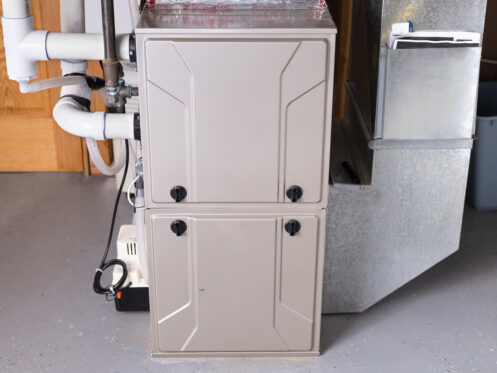
When your heater runs but your home still feels cold, the issue requires immediate attention. This problem often indicates airflow restrictions, control issues, or mechanical faults that prevent proper heat delivery. Heating systems rarely correct these problems on their own. Allowing the system to run without producing heat increases wear and raises energy costs.
Why You Should Never Ignore This Heating Problem
A heater that runs without warming the home wastes energy, which means higher utility bills. The system continues to operate longer than necessary while struggling to meet temperature requirements. This strain increases stress on internal components, including the blower motor and heat exchanger.
Extended operation without proper heating shortens system lifespan. Components wear faster when the system compensates for airflow or mechanical issues. These conditions often lead to more frequent repairs and higher replacement risk.
Cold indoor temperatures also affect daily comfort. Uneven heating creates cold spots, making rooms harder to use. Prolonged exposure to low indoor temperatures can also contribute to moisture imbalance and condensation issues. Addressing the problem early helps maintain consistent comfort and reliable system performance.
Rule Out Airflow Problems First
Airflow issues commonly cause heaters to run without delivering enough heat. Heating systems depend on steady airflow to move warm air throughout your home. When airflow drops, heat remains trapped near the unit.
Blocked supply or return vents often restrict airflow. Furniture, rugs, or clogged registers prevent warm air from circulating properly. Homeowners should confirm that all vents remain open and unobstructed.
Dirty or damaged ductwork also reduces airflow. Leaks, loose connections, or collapsed duct sections allow heated air to escape before reaching living areas. Older ducts may accumulate debris, narrowing airflow pathways. These conditions reduce heating effectiveness and require a professional evaluation.
Finally, blower issues can also impact airflow. A worn blower motor or damaged fan blade cannot move enough air through the system. Reduced airflow forces the heater to run longer without improving indoor temperatures.
Check the Thermostat Settings and Location
Thermostat issues frequently contribute to heating complaints. Incorrect settings prevent the system from operating as intended. Homeowners should confirm the thermostat remains set to “heat” and programmed to the desired temperature.
Thermostat placement also affects performance. Devices located near drafty windows, exterior doors, or uninsulated walls often read temperatures inaccurately. Heat from lamps, electronics, or direct sunlight can also distort readings. Inaccurate readings cause the heater to cycle incorrectly or shut off before warming your home.
Thermostat compatibility can also affect heating performance. Older thermostats may not communicate properly with newer heating systems, especially after recent system upgrades.
Programming errors can also cause the heater to run at the wrong times or stop heating before reaching the set temperature. Reviewing thermostat compatibility and programming helps ensure the heating system responds correctly to temperature demands.
Battery-powered thermostats require fresh batteries to communicate properly with the heating system. Weak batteries interrupt signals and cause inconsistent operation. Replacing the batteries often resolves basic communication issues.
Persistent thermostat problems may require calibration or replacement. A professional furnace inspection can identify control issues that prevent proper heating.
Replace a Dirty Air Filter
A dirty air filter restricts airflow and limits heat distribution. Heating systems rely on clean filters to move air efficiently through the unit and ductwork. When filters clog with dust and debris, airflow can drop significantly.
Restricted airflow forces the heater to work harder while delivering less heat. This condition increases energy use while degrading components faster than units with proper airflow. Dirty filters also contribute to uneven temperatures and poor indoor comfort.
You should check your filters every month for signs of dirt and buildup. Most HVAC systems require filter changes every one to three months, depending on usage and household conditions. Replacing filters on schedule helps maintain proper airflow and consistent heating.
Inspect the Furnace Burner or Heating Element
Heating components play a direct role in heat production. Gas furnaces rely on burners to generate heat, while electric systems use heating elements. Problems with these parts prevent proper heating.
Dirty burners reduce heat production and disrupt the combustion process. Dust buildup interferes with flame stability and efficiency. Incomplete combustion reduces the amount of heat entering the system.
Electric heating elements can fail over time. Damaged elements may still allow the system to run without producing enough heat. These issues require a professional diagnosis and repair to restore normal operation.
Look for Duct Heat Loss
Duct systems deliver heated air throughout a home. When ducts lose heat before the air reaches living spaces, rooms remain cold even when the system is operating.
Poor insulation also allows heat to escape through duct walls. Unconditioned spaces, such as attics or crawl spaces, increase heat loss. Leaky joints allow warm air to escape before it reaches the registers.
Duct design can determine how well heat reaches each room. Long duct runs, sharp turns, or poorly balanced layouts can limit the amount of warm air reaching certain areas of your home. Rooms farthest from the furnace often feel colder when airflow distribution remains uneven. Our licensed technicians can evaluate your duct layout to identify any delivery problems that prevent consistent heating throughout the home.
Understand When to Call for Professional Repairs
Some heating issues extend beyond basic checks. Persistent cold temperatures often indicate mechanical or safety-related problems. Ignoring these issues risks further damage and potential system failure.
Strange noises, frequent cycling, or burning odors mean you need professional service. These symptoms often indicate your system has component wear or electrical issues. Prompt repairs prevent additional unit damage and restore safe operation.
Our HVAC technicians accurately diagnose heating problems. They inspect components, test airflow, and verify system controls. A detailed furnace inspection helps identify hidden issues that affect heat delivery.
When heating repairs become necessary, timely service restores comfort and efficiency. Addressing issues as soon as possible prevents additional strain on the system and reduces the risk of damage that can shorten your unit’s lifespan.
How We Help Restore Reliable Heating
Marr's Heating, AC, Plumbing and Electrical helps homeowners resolve heating issues that prevent proper warmth. Our team identifies issues such as airflow restrictions, control problems, and mechanical faults that affect performance. We focus on accurate diagnostics and effective solutions that restore consistent temperatures.
We provide professional furnace inspections and heating repairs to keep systems operating efficiently. Our approach helps homeowners avoid unnecessary strain on equipment and maintain dependable comfort throughout the heating season.
Do Not Let a Running Heater Leave Your Home Cold
A heater that runs without warming your home signals a problem that requires professional attention. Airflow restrictions, dirty filters, and mechanical problems commonly cause this issue. Addressing the problem right away protects your system and restores comfort.
If your heater runs but your home still feels cold, schedule service with Marr's Heating, AC, Plumbing and Electrical in Bellingham.