
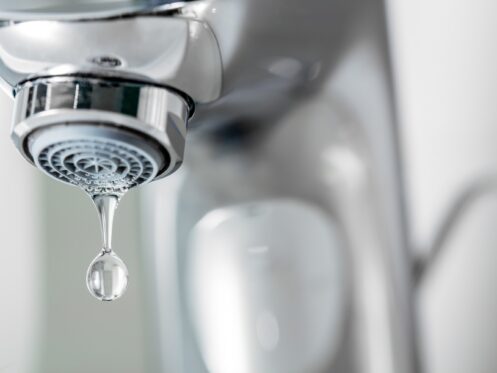
Low water pressure can be a major hindrance to your daily routine. Taking a shower, rinsing dishes, and washing clothes may take significantly more time than they should. Low water pressure can occur in any Bellingham, WA, home, but older structures often experience this problem more than newer properties.
Aging Galvanized Steel Pipe Corrosion
There are a lot of older homes that still use galvanized steel piping for plumbing. This is a material that is very prone to corrosion. Once rust starts to build up, it can keep accumulating until the diameter of the pipe becomes extremely narrow or completely blocked. This restriction limits how much water can flow through, reducing pressure.
Old Lead or Polybutylene Pipes
Lead and polybutylene are other outdated plumbing materials that can result in water pressure issues. They often become brittle and flake apart, which increases the risk of clogs and other blockages.
Mineral Buildup From Hard Water
If you live in an area with hard water, the calcium and magnesium can be detrimental to your pipes and fixtures. These elements build up inside the plumbing over time, leaving behind thick scaling along the pipe walls. As the buildup becomes heavier, the pressure reduces. You may notice white crusty deposits or cloudy water when you turn on a faucet or showerhead.
Outdated Plumbing System Design
It’s not uncommon for older homes to have plumbing that can’t keep up with today’s modern dishwashers and high-flow showers. You may find that the pressure significantly drops when running multiple appliances, like the dishwasher and washing machine, at the same time.
Deteriorating Original Supply Lines
The water lines running from your house to the municipal supply weaken as they age as a result of shifting soil and temperature changes. When they crack or develop corrosion, this limits how much water can enter your home. If you turn on a faucet, the water may trickle out or not come through at all.
Hidden Slab or Foundation Leaks
The pipes running under the foundation of your home must be in good shape at all times to keep pressure optimal. If they crack or burst, water will escape before it reaches the faucets. Fixing underground leaks is paramount to protecting the structural integrity of your home in addition to optimizing water pressure.
Failing Pressure Reducing Valves
A lot of residents in Bellingham have a pressure reduction valve (PRV) to keep the city’s water supply from overwhelming their inside pipes. If this part wears out or becomes stuck, it might accidentally cut off your water supply or make it surge and drop off.
Partially Closed Main Shutoff Valves
Your main cutoff valve regulates all the water that comes into your house. It must be completely open to maintain high pressure. The valve may not open all the way after a repair, doing the same thing to your water flow that a kink does in a garden hose.
Municipal Infrastructure Pressure Fluctuations
Low water pressure doesn’t always stem from an issue inside the home but rather from municipal supply problems. If everyone connected to the same water main is trying to use water at the same time, this may reduce overall pressure. City-wide repairs to the water system can also make water pressure drop until the work is complete.
Clogged Faucet Aerators and Fixtures
The fine mesh screens that attach to the ends of your faucets accumulate minute particles of silt and mineral grit as time passes. This type of localized buildup can be incredibly frustrating when the water flow slows to a trickle or sprays unevenly.
How to Fix Low Water Pressure Problems
Now that you understand the top contributors to low water pressure issues, it’s easier to take proactive steps. The source of the pressure issue determines the best course of action to take.
One-Faucet vs. Whole-House Pressure Issues
The first step in fixing low water pressure is to determine whether it’s localized to one part of the home. If so, this could mean a clogged aerator, a faulty fixture valve, or localized pipe corrosion. If the pressure issue occurs across the whole house, this typically points to a failing pressure-reducing valve, a main line leak, or municipal supply issues.
Update the Home With Newer Plumbing Materials
Swapping out outdated plumbing materials makes the whole home much more energy efficient. It also greatly reduces the risk of leaks and pressure problems.
Here are some of the most popular plumbing materials that work great with today’s modern plumbing demands:
- PEX (cross-linked polyethylene) piping
- Copper piping
- CPVC (chlorinated polyvinyl chloride) piping
- PVC (polyvinyl chloride) piping
- Stainless steel braided water supply lines
Install a Water Softener to Combat Hard Water
Adding a whole-home water softener is one of the best ways to prevent mineral buildup and scale deposits from hard water. This reduces the risk of corrosion and helps maintain steady water flow so that the entire house has high pressure.
Upgrade the Home’s Plumbing Design
We can perform an inspection to see which parts of your plumbing design need an upgrade. This is not only important for older homes but also for ones that have undergone renovations or added bathrooms.
Here are some different ways we can update your home’s plumbing design:
- Rerouting pipe layouts
- Enlarging supply lines
- Adding a dedicated appliance branch
- Replacing corroded fittings and connectors
- Installing modern manifold distribution systems
Address Hidden Slab and Foundation Leaks Quickly
We offer professional leak detection that makes it easy to spot hidden leaks under the foundation of your home. Our proven repair methods provide quick fixes for leaks to limit damage and restore water pressure.
Install a New Pressure Reducing Valve
Any time a pressure-reducing valve quits working, it’s crucial to get it repaired or replaced as soon as possible. A properly calibrated valve does much more than improve water pressure. It also protects pipes from excess strain and prevents premature appliance and fixture damage.
Regularly Check the Main Shutoff Valve
Find the main shutoff valve and check that it’s all the way open. If it’s partially closed, simply turning it counterclockwise until fully open should restore water pressure.
Sign Up for Municipal Alerts
Contact your water utility provider to see whether they offer outage notifications. Receiving instant alerts about service disruptions can help you know when pressure changes are temporary.
Clean or Replace Faucet Aerators and Fixtures
About once every three to six months, clean the aerators on each faucet to remove trapped debris and mineral deposits. Removing buildup improves localized pressure while also preventing uneven spray patterns and splashing.
Flush Sediment From the Water Heater
Sediment buildup in a water heater may reduce pressure when using hot water. Having the tank flushed annually will keep the hot water pressure strong year-round and help prevent the need for water heater repair.
Schedule a Professional Plumbing Inspection Today
At Marr's Heating, AC, Plumbing and Electrical, we bring decades of expertise to each job. We’re knowledgeable and experienced at fixing slab leaks, corroded supply lines, and other plumbing issues that impact a home’s water pressure. Scheduling annual maintenance is an excellent way to stay ahead of unexpected issues.
Contact Marr's Heating, AC, Plumbing and Electrical today to book expert plumbing services in Bellingham.