
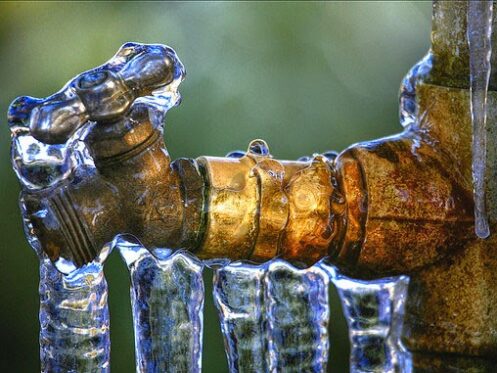
Winters can be chilly in Washington, with January lows in the freezing range. Protecting your plumbing pipes is crucial for avoiding common problems like clogs, cracks, leaks, and bursts. Taking proactive steps and recognizing signs of trouble can help you make informed decisions to keep your plumbing system in good condition. These measures can also stop existing issues from escalating.
Schedule a Professional Plumbing Inspection
Plumbers not only help prevent plumbing problems from worsening but also keep them from starting in the first place. During a plumbing inspection, they perform various tasks, such as checking for physical damage to pipes, lines, and water-using appliances. They’ll also assess your water heater, an appliance that helps make Washington winters more bearable. These inspections allow our plumbers to identify and address problems to keep them from developing into costly ones.
We recommend scheduling a plumbing inspection in the fall. However, if it’s been a year or more since you’ve had an inspection, it’s time to schedule one. Additionally, if you’ve been noticing abnormal behaviors, such as slow-draining water, book an appointment sooner rather than later.
Conduct Plumbing Self-Inspections
In between professional appointments, perform regular self-inspections of your plumbing system. Go room by room, including utility closets and guest bathrooms, to check for problems like discolored water, leaks, and low water pressure. Use a notebook to write down any potential problems you see along the way so that you can report them to us.
Schedule Prompt Repairs
Schedule immediate repairs if you see any issues during your self-inspections or if we inform you of them during professional appointments. It’s more cost-effective to address problems early so that they don’t escalate. For example, when left unaddressed, a small crack can easily turn into a burst pipe during winter.
Never attempt repairs on your own. Without professional knowledge and tools, you could inadvertently further damage your system or injure yourself. Additionally, it may void the manufacturer’s warranty. If this happens, you might be responsible for paying future repair costs out of pocket.
Update Your Plumbing Pipe Insulation
Although plumbing pipe insulation is important year-round, it’s particularly so during winter. It helps retain heat, improves energy efficiency, and prevents burst pipes. Adequate pipe insulation can also help keep pipes from freezing in the first place.
Insulation usually has a life span of 10 to 20 years. However, various factors affect its longevity, including its material and moisture infiltration. It may need replacing sooner, depending on its condition. Checking it regularly and updating the insulation if necessary allows it to efficiently protect your pipes.
Be Mindful of What Goes Down Drains
What you let go down drains directly impacts pipe condition and functionality. Clogs are the most common kitchen drain issue that can arise from food items like grease, oil, coffee grounds, and vegetable chunks. In the bathroom, “flushable” wipes, paper towels, feminine hygiene products, and human hair are the usual culprits. Avoid letting these items go down the shower, sink, and toilet drains, and put them in the garbage instead.
Update Your Kitchen Sink Strainers
Sink drain strainers are vital for stopping debris like fruit and vegetable scraps from going down the drain. The more that accumulates in the pipes, the higher the risk of clogs, cracks, and other potential damage.
It’s a good idea to replace kitchen drain strainers every few years, although doing it more frequently can be beneficial. Inspect them regularly to look for damage like corrosion and large holes. If you see any, replace the strainers promptly.
Change Bathroom Drain Covers
Similar to kitchen sink strainers, bathroom drain covers protect unwanted debris, such as human hair, from going down the drains. However, some covers have holes that allow too much to pass through. If you’re dealing with regular shower drain clogs, the cover might be contributing to the issue.
One option is to change the drain cover to one with smaller holes. If you prefer not to make physical changes, consider using temporary drain covers. You put them over your existing cover so they catch more debris. They’re removable, so you can leave your current drain cover as-is.
Do Hydro Jetting
Hydro jetting involves using high-pressure water to blast away built-up gunk, sludge, blockages, and other debris from your pipes’ interior. This could be especially beneficial if you did a lot of entertaining and cooking through the holiday season. Hydro jetting offers many benefits, including reducing clogs, slow drains, and pressure buildup that can worsen winter plumbing stress. This isn’t a service that’s part of an annual plumbing inspection. However, you can request that our plumbers do both during the same appointment.
Install Smart Water Leak Detectors
These devices are strategically placed so they can detect when there’s unwanted water in their vicinity. Ideal places to set them include below P-traps and near water-using appliances. Once they sense water, they send an alert to your smartphone, notifying you of the problem so you can act promptly. Certain advanced options also shut the water off in that area to stop the water damage from getting worse. You can position the devices on your own, or you can have a plumber set them up to ensure their effectiveness.
Winterize Outdoor Plumbing Fixtures
You should ideally winterize outdoor plumbing fixtures before the first freeze. However, if you haven’t already done so, you can do it at any point during the season, although sooner is better. Consider having a plumber handle the task, particularly if it’s already partway through the season, to make sure it’s done correctly. It involves steps like turning off the inside shut-off valve, draining any water, and covering the fixtures. Never leave any hoses attached. The process prevents problems like freezing pipes, burst pipes, and faucet and hose damage.
Leave Water Dripping
Water in pipes is typically at risk of freezing once temperatures approach 32 degrees Fahrenheit. As the temperatures start dropping, leave the water dripping in your sinks, tubs, and showers in bathrooms, laundry rooms, and kitchens. It helps keep water from freezing and the pipes from bursting.
Keep Cabinet Doors Open
Leaving cabinet doors open under sinks allows warm, heated air to reach the pipes, helping to prevent them from freezing. This typically works in tandem with leaving your water dripping. Do this in kitchens and bathrooms, but don’t forget other, less frequently used areas like guest bathrooms and laundry rooms. If you have pets and young kids at home, make sure to remove anything from the cabinets that could cause them harm.
Stay Ahead of Problems This Winter
Avoid plumbing problems at your Washington home this winter. Marr's Heating, AC, Plumbing and Electrical in Bellingham, WA, provides comprehensive plumbing services to local homeowners.
Call to speak to a team member today or reach out to schedule an appointment today.